Home /
Insights / 10 Things to Consider Before Buying an Apartment in Nairobi
10 Things to Consider Before Buying an Apartment in Nairobi
Oct 15, 2026
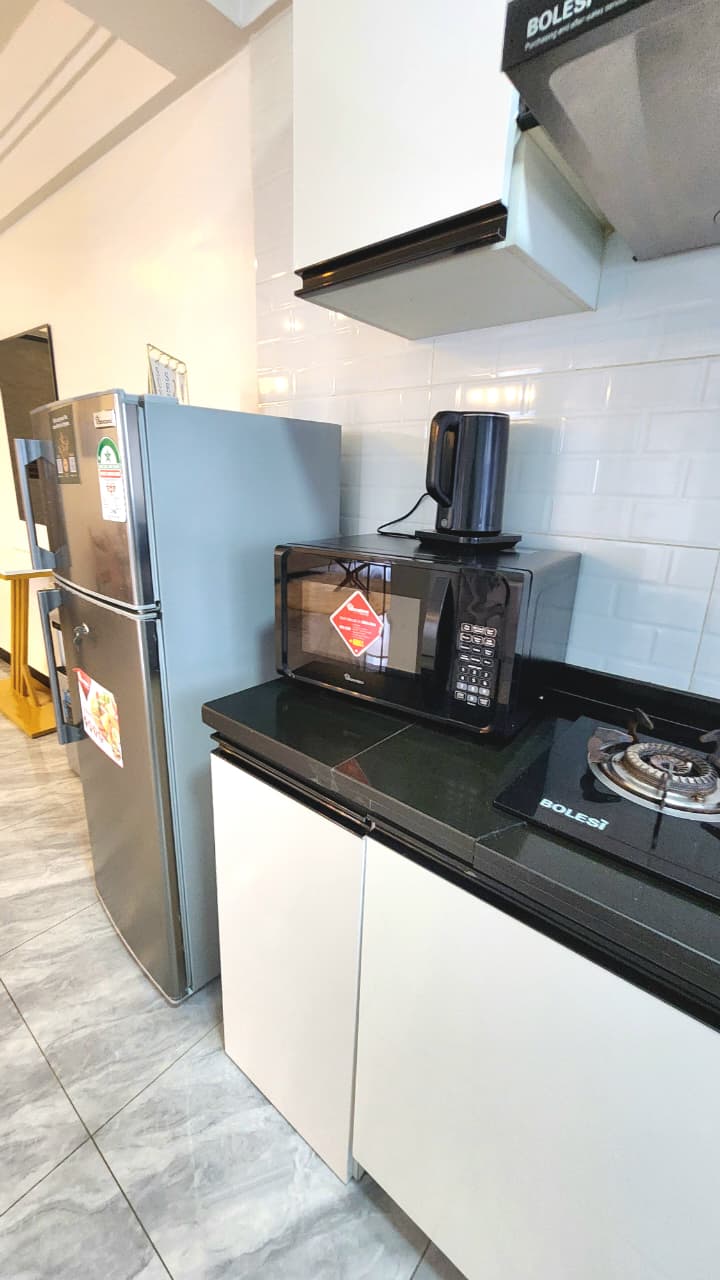
# 10 Things to Consider Before Buying an Apartment in Nairobi
Buying an apartment in Nairobi is an important financial decision. Whether you are looking for your first home, a property for your family, or an investment that can generate rental income, choosing the right apartment requires careful planning.
Nairobi offers a wide range of apartments, from affordable studios and one-bedroom units to spacious family apartments and luxury penthouses. However, the price alone should not determine your decision. You also need to consider the location, developer, legal documents, amenities, payment plan, and potential for future growth.
At **Gads Lux Homes**, we believe that buying property should be an informed and rewarding experience. Here are 10 important things to consider before buying an apartment in Nairobi.
## 1. Choose the Right Location
Location is one of the most important factors when buying an apartment. It affects your lifestyle, convenience, rental demand, and the property's potential resale value.
Consider how close the apartment is to your workplace, schools, hospitals, shopping centres, public transport, and major roads.
Popular residential areas in Nairobi include:
- **Westlands:** Suitable for professionals, corporate tenants, and investors looking for apartments near offices, shopping centres, and entertainment facilities.
- **Kilimani:** Offers a mix of residential apartments, restaurants, schools, and convenient access to business districts.
- **Kileleshwa:** An attractive option for families and buyers seeking a residential environment with access to essential services.
- **Lavington:** Known for its established residential neighbourhoods, family homes, and premium property developments.
- **Riverside:** Worth considering for buyers interested in upscale residences and proximity to offices and diplomatic establishments.
Before making a decision, visit the neighbourhood at different times of the day to assess traffic, noise levels, accessibility, and the general environment.
## 2. Set a Realistic Budget
Before viewing apartments, determine how much you can comfortably afford.
The advertised purchase price is not always the total cost of acquiring a property. You may also need to budget for legal fees, stamp duty where applicable, valuation fees, loan-related charges, and other transaction costs.
If you are buying an apartment through a mortgage, consider the monthly repayments, interest rate, loan term, and any additional charges.
For off-plan properties, understand the payment schedule and ensure you can meet the instalments without putting unnecessary pressure on your finances.
**Tip:** Compare apartments within your budget and avoid committing to a property simply because it looks attractive. Your purchase should support your long-term financial goals.
## 3. Research the Developer's Reputation
When buying an apartment, especially an off-plan property, it is important to understand who is developing it.
Research the developer's previous projects, construction quality, delivery history, and reputation among previous buyers.
Where possible, visit completed developments by the same developer. This can help you assess the quality of finishes, maintenance standards, shared facilities, and general construction workmanship.
You should also verify the developer's legal authority to develop and sell the property.
Do not rely entirely on brochures, social media advertisements, or verbal promises. Request supporting documents and have the relevant details independently verified.
A reputable developer and a well-documented project can help reduce some of the risks associated with buying property.
## 4. Verify the Legal Documents
Never purchase an apartment without carrying out the necessary legal checks.
Before paying a deposit or signing a sale agreement, engage an independent property lawyer to review the transaction and verify the relevant documents.
Depending on the type of development and ownership structure, these checks may include:
- Verification of the land title and ownership.
- An official search to establish ownership and identify registered interests or restrictions.
- Confirmation of the necessary planning and building approvals.
- Review of the sale agreement and payment terms.
- Verification of the sectional property documents, where applicable.
- Confirmation of the developer's authority to sell the unit and the arrangements for transferring ownership.
For off-plan apartments, your lawyer should also review the development documentation, completion obligations, remedies for delays, and the process for transferring the completed unit to you.
**Important:** Do not assume that a project is legally secure simply because construction has started or the building is already occupied. Proper due diligence is essential.
## 5. Understand the Difference Between Off-Plan and Ready Apartments
In Nairobi, you can buy an apartment that is still under construction or one that is already completed and ready for occupation.
Each option has advantages and considerations.
**Off-plan apartments**
- May offer staged payment plans during construction.
- Give you an opportunity to select from available units and floors.
- May offer an attractive entry price, depending on the project and market conditions.
- Carry risks related to construction delays, changes in specifications, and the developer's ability to complete the project.
**Ready apartments**
- Allow you to inspect the actual unit before purchasing.
- Make it easier to assess the finishes, layout, views, and shared facilities.
- May allow you to move in or begin renting out the property sooner.
- May require a larger upfront payment, depending on the seller's terms.
Neither option is automatically better. Your decision should depend on your budget, risk tolerance, intended use, and how soon you need the property.
For an off-plan purchase, ensure that the completion date, payment milestones, specifications, and remedies for delays are clearly documented.
## 6. Check the Apartment Size and Layout
An apartment may look beautiful in a brochure, but its practical layout matters just as much as its appearance.
Consider whether the available space meets your current and future needs.
For example:
- **Studio apartments:** May suit individuals, first-time buyers, and investors targeting smaller rental units.
- **One-bedroom apartments:** Can be suitable for individuals, couples, and some rental investment strategies.
- **Two-bedroom apartments:** May appeal to couples, small families, and tenants who need an extra room.
- **Three-bedroom apartments and larger units:** May be more suitable for families seeking additional living space.
Do not focus on the number of bedrooms alone. Check the actual floor area, bedroom dimensions, storage, kitchen design, ventilation, natural lighting, bathroom arrangements, and available parking.
Also clarify whether the advertised square metres include balconies, shared areas, or other spaces under the measurement method used.
Choose a layout that supports comfortable living and suits the needs of your intended tenant or future buyer.
## 7. Evaluate the Amenities and Management Costs
Modern apartment developments often advertise amenities such as swimming pools, gyms, rooftop lounges, children's play areas, backup generators, boreholes, lifts, and security systems.
These facilities can improve convenience and the overall living experience. However, you should consider both their usefulness and the cost of maintaining them.
Ask the developer or management team about:
- Monthly service charges.
- Security arrangements and CCTV.
- Water supply and backup systems.
- Lift maintenance and backup power.
- Parking allocation.
- Waste management and cleaning.
- Rules governing shared facilities.
- The management structure and maintenance fund.
A development with many amenities may have higher running costs. Compare these expenses with your budget and, if you are investing, the rental income you expect to receive.
The goal is to buy an apartment with facilities that offer genuine value rather than choosing a property based only on the number of amenities advertised.
## 8. Assess Rental Income and Investment Potential
If you are buying an apartment as an investment, look beyond the purchase price.
Consider the property's likely tenants, rental demand in the neighbourhood, competing developments, vacancy periods, and ongoing expenses.
For example, an apartment in Westlands may appeal to some professionals and corporate tenants, while a unit in Kilimani or Kileleshwa may suit different tenant groups depending on its price, size, and location.
Before purchasing, research comparable apartments in the same area and with similar features.
Estimate your potential rental return using this formula:
**Gross rental yield = Annual rental income ÷ Purchase price × 100**
For example, if you purchase an apartment for KSh 8,000,000 and rent it out for KSh 60,000 per month:
Annual rental income = KSh 60,000 × 12 = KSh 720,000.
Gross rental yield = KSh 720,000 ÷ KSh 8,000,000 × 100 = **9% per year**.
Remember that this is a gross yield, not your final profit. Service charges, repairs, insurance, management fees, vacancy periods, taxes, and other expenses may reduce your net return.
If you are considering short-term rentals such as Airbnb, research local demand, operating costs, building rules, and any applicable legal or regulatory requirements before making your decision.
Rental income and property appreciation are not guaranteed. Use realistic assumptions when evaluating an investment.
## 9. Review the Payment Plan and Financing Options
Different developments offer different payment arrangements. Some require a deposit followed by instalments during construction, while others involve cash purchases or mortgage financing.
Before committing, make sure you understand:
- The required deposit.
- The amount and timing of each instalment.
- The final balance payable.
- Any interest, administrative fees, or penalties.
- The consequences of late or missed payments.
- Whether the quoted price changes depending on the payment method.
- The conditions for cancellation, refunds, and transfer of ownership.
If you are considering a mortgage, compare offers from different lenders and review the total cost of borrowing, not just the monthly instalment.
For off-plan developments, ensure that the payment schedule is clearly documented and that you understand how payments relate to the construction timeline.
Choose a payment plan that you can realistically maintain throughout the purchase process.
## 10. Think About Future Resale Value and Long-Term Demand
Even if you plan to live in your apartment for many years, it is worth considering how easy it might be to sell the property in the future.
Apartments with convenient locations, practical layouts, good maintenance, suitable parking, and reliable management may appeal to a wider range of buyers.
Before purchasing, assess the surrounding area's infrastructure, planned developments, access to essential services, and the supply of similar apartments.
Consider whether the property will remain suitable as your family grows or your financial needs change.
Be cautious about claims of guaranteed appreciation or exceptionally high returns. Property values can rise or fall depending on market conditions, location, demand, financing costs, and the quality of the development.
The best long-term decision is one supported by proper research, sound financial planning, and realistic expectations.
## Bonus Tip: Work With a Trusted Real Estate Professional
Buying an apartment involves more than finding a beautiful building. You need to compare properties, understand the payment terms, assess the location, and identify potential risks before committing your money.
A knowledgeable real estate professional can help you narrow down suitable options based on your budget, preferred neighbourhood, apartment size, and intended use.
However, always conduct independent legal and financial due diligence before completing the purchase.
At **Gads Lux Homes**, our goal is to help buyers explore apartment options in Nairobi and make property decisions with greater clarity and confidence.
## Final Thoughts
Buying an apartment in Nairobi can be a meaningful step towards homeownership or building a property investment portfolio. However, the right decision requires careful consideration of location, budget, legal documentation, developer reputation, construction status, amenities, rental demand, and long-term suitability.
Take your time, compare different developments, ask questions, and verify important information before making a commitment.
Whether you are searching for a studio, one-bedroom apartment, family home, or investment property, focus on finding a property that meets your needs and fits your financial plan.
**Looking for an apartment for sale in Nairobi?**
Gads Lux Homes can help you explore available apartments in Westlands, Kilimani, Kileleshwa, Lavington, Riverside, and other desirable neighbourhoods in Nairobi.
Contact Gads Lux Homes today to discuss your budget, preferred location, and property requirements.
*Gads Lux Homes — Keys to Your Happiness. Your Trusted Realtor.*